
Protecting sensitive data is crucial to upholding compliance and trust in today’s data-driven world. Businesses must implement cutting-edge security measures to safeguard their digital assets in light of increasingly complex cyberattacks. Tokenization and encryption are two of the best ways to protect sensitive data. Both strategies have distinct functions in lowering risk and guaranteeing data integrity. This article examines doable strategies for implementing encryption and tokenization to optimize system security while preserving operational effectiveness and legal compliance.
Differentiating Tokenization and Encryption
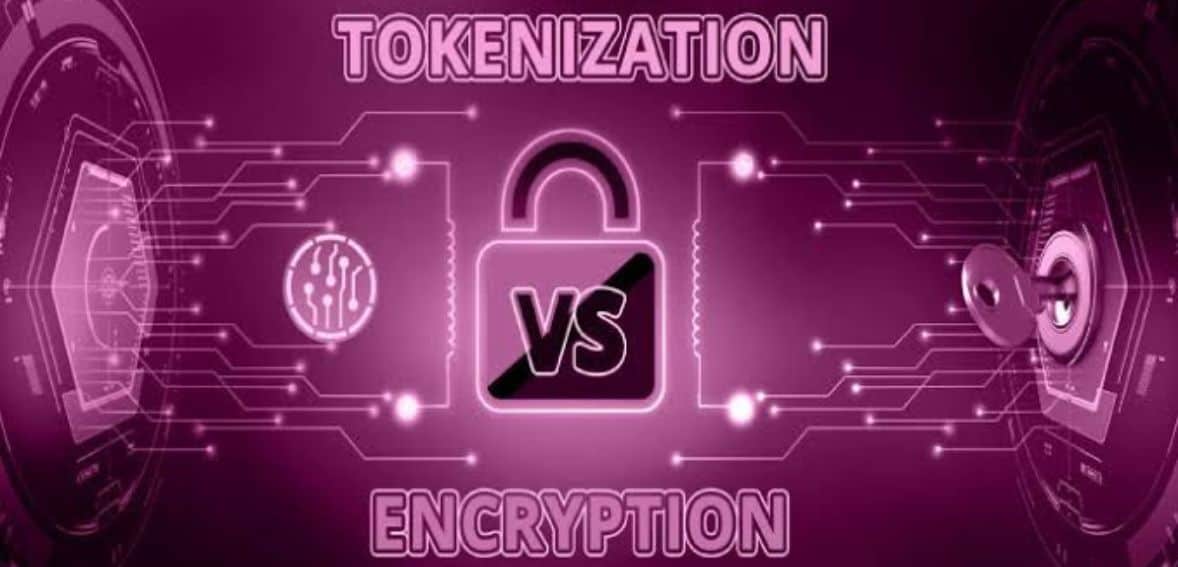
Tokenization and encryption are both effective methods for protecting data, but they have different uses and operate differently. Through tokenization, non-sensitive placeholders known as tokens are used in place of sensitive data, such as patient records or credit card numbers.
The real data is kept in a safe vault, but these tokens are kept on your system. Without the associated token vault, the tokenized data is worthless, even if it is accessed by a hacker. On the other hand, encryption uses keys and algorithms to change readable data into a jumbled format. The data can only be restored to its original format by those who possess the appropriate decryption key. In contrast to tokenization, encryption adds a mathematical layer of security while preserving the user’s original data.
The use case frequently determines which option is best. For applications like payment processing, where the original data doesn’t need to be retrieved frequently, tokenization is perfect. When data must be accessed frequently but still requires robust protection, encryption is more appropriate. Businesses can create a more secure, adaptable data protection strategy by understanding when and how to use each technique.
Assessing Your Organization’s Data Landscape
Doing a comprehensive data inventory is the first step in putting tokenization and encryption into practice. Determine the categories of private data that you gather, handle, and preserve. This can include trade secrets, health information, payment card information, personally identifiable information (PII), and more. Find out who has access to this data, where it is stored, and how it moves through your systems.
Sort your data according to the regulations and the level of sensitivity. Prioritizing which data elements require encryption, tokenization, or both is made easier by this classification. For instance, PCI DSS-governed payment data should be tokenized whenever feasible, but encryption might be more advantageous for internal communications.
The basis for focused and effective implementation is laid by mapping out your data environment. Additionally, it guarantees that you are not squandering money protecting low-risk data at the expense of high-risk areas.
Planning the Implementation Framework
It’s time to create an organized implementation framework after you have a clear understanding of your data landscape. This entails selecting the appropriate technologies, creating governance guidelines, and coordinating your approach with compliance requirements and business objectives.
Establish your goals first. Are you trying to meet compliance, improve breach resilience, lessen the scope of PCI, or all three? The technology you choose will depend on your objectives. Tokenization, for example, ought to come first if safeguarding payment information is your top priority. Encryption is better suited for data being sent over networks.
Choose between collaborating with outside providers or developing your own solutions. Customization is possible with in-house construction, but it takes a lot of knowledge and money. Conversely, reputable vendors provide integrated compliance features, faster deployment, and tested technologies. Create internal guidelines for audit logging, access control, and key management. In order to adapt to evolving security requirements, these policies ought to be transparent, enforceable, and periodically reviewed.
Implementing Tokenization Across Systems
Tokenization works best in systems that handle structured, high-risk data such as payment gateways, CRM platforms, billing software, and databases containing customer information. It’s also important to align with evolving standards like EMV compliance, which plays a critical role in securing payment transactions. Together, these measures enhance data protection and reduce exposure to fraud.
Make sure that sensitive data is tokenized as soon as it enters your system, whether it be through online forms, point-of-sale terminals, or customer support inputs. To keep legacy systems compatible, use format-preserving tokens. For example, a 16-digit token that doesn’t require codebase overhauls can be used in place of a 16-digit credit card number. Keep the original data in a token vault that is isolated, extremely secure, and has limited access.
To find irregularities and enhance efficiency, audit and track the tokenization process on a regular basis. An additional degree of protection is added by putting alerts in place for anomalous token access or usage patterns.
Deploying Encryption for Data Protection
Both the infrastructure and application levels should use encryption. Strong encryption algorithms like AES-256 should be used for data that is at rest, such as disk files, database entries, or backups. Use Transport Layer Security (TLS) for data in transit to safeguard data as it moves between users, apps, and systems. Install encryption software that works with the file-sharing, email, and storage systems you already have. Make sure that cloud-based Key Management Services (KMS) or Hardware Security Modules (HSMs) are used to securely manage encryption keys.
Enforce multi-factor authentication for administrators and role-based encryption key access restrictions. Keep thorough records of all key access and usage, and rotate keys on a regular basis. Risk can be further compartmentalized by implementing envelope encryption, in which data keys are encrypted using a master key. Periodically audit your encryption procedures to make sure they adhere to industry best practices and legal requirements. To ensure data recoverability in emergency situations, always test decryption procedures during setup.
Integrating Tokenization and Encryption Together
Tokenization and encryption work together to offer multi-layered security in many security architectures. To prevent token vault breaches, for instance, tokenized data kept in databases can also be encrypted. On the other hand, in order to reduce exposure during transmission, encrypted communications may contain tokens rather than actual data. Make sure there are no conflicts or performance snags when combining the two approaches.
Create workflows that use tokenization to limit data exposure first, followed by encryption when needed. Steer clear of pointless procedures that add nothing of value. Keep track of how each technique is used, and train employees on how to handle data appropriately. Make it clear when decryption is allowed, when tokens can be used, and how exceptions are managed in the event of outages or incidents.
Compliance Considerations and Legal Frameworks
Meeting regulatory requirements is just as important as following best practices when implementing tokenization and encryption. The protection, storage, and accessibility of data are subject to specific regulations in various jurisdictions. PCI DSS requires encryption for stored and transmitted cardholder data and strongly supports tokenization for payment data. HIPAA mandates that electronic protected health information (ePHI) be protected using encryption or a comparable technique, emphasizing the importance of HIPAA and PCI compliance.
GDPR enforces strict data security procedures and places a strong emphasis on pseudonymization; noncompliance carries severe penalties. Make sure your implementation complies with all relevant laws. Collaborate with legal teams to understand requirements and get third-party audits or certifications to support your plan. Maintaining current and easily accessible documentation is also essential for compliance inspections.
Future-Proofing Your Data Security Strategy
It is now essential to maintain a forward-thinking approach to data security as technology advances and cyber threats become more sophisticated. Strong protection is currently provided by tokenization and encryption, but future-proofing your security plan requires remaining adaptable and sensitive to change.
To make sure they stay in line with industry best practices and regulatory updates, businesses should periodically review their tokenization protocols and encryption standards. Your company can adjust as data volumes increase and threats change by investing in scalable security architecture.
Using cloud-native encryption, automated compliance monitoring, and AI-powered threat detection can give you a competitive edge. Promoting a security-aware culture throughout departments is equally crucial; keeping teams informed guarantees fewer protocol lapses. In a digital environment where hackers are always coming up with new ways to attack, companies need to same. With a proactive, evolving strategy, your business will be better prepared to face future security challenges head-on.
Training Teams for Secure Data Handling
Although putting tokenization and encryption technologies into practice is essential, how well your team comprehends and uses them will often determine how effective they are. Since human error continues to be a major contributor to data breaches, adequate staff training is not only advantageous but also necessary.
Every team member, including those in customer service, finance, and IT, needs to understand secure data handling procedures and how they help safeguard private data. Basic awareness should not be the end of training. Updates on new cyberthreat strategies, simulated breach drills, and real-world scenarios must all be included.
Employees actively defend your company’s data security framework when they are able to spot phishing attempts, comprehend how tokenized data works, or appreciate the value of strong encryption keys. Complicated ideas become easier to understand by employing clear documentation and offering recurring refresher courses. The significance of security training is emphasized by incorporating it into performance evaluations and onboarding. Businesses can drastically lower internal risks and guarantee that even the most advanced security systems are supported by an informed, accountable workforce by cultivating a culture of vigilance and accountability.
Conclusion
Effectively implementing encryption and tokenization is a difficult but necessary task in today’s data-driven environment. Even though each technology has advantages of its own, when used in tandem, they provide a strong barrier against fraud, illegal access, and noncompliance with regulations. Identifying sensitive assets and fully comprehending your data flows should be your first steps.
Create a strategic plan that satisfies your legal requirements and operational requirements. Establish clear policies, pick the appropriate tools, and encourage a security-conscious culture throughout your company. By doing this, you guarantee not only adherence to legal requirements but also the confidence of your stakeholders, partners, and clients.
Strong tokenization and encryption procedures are your first line of defense and a fundamental component of digital trust and resilience in a world where data breaches have the potential to destroy companies.